Crawl Space Mold Remediation: Pricing Factors and Process for Canyon Lake Homeowners
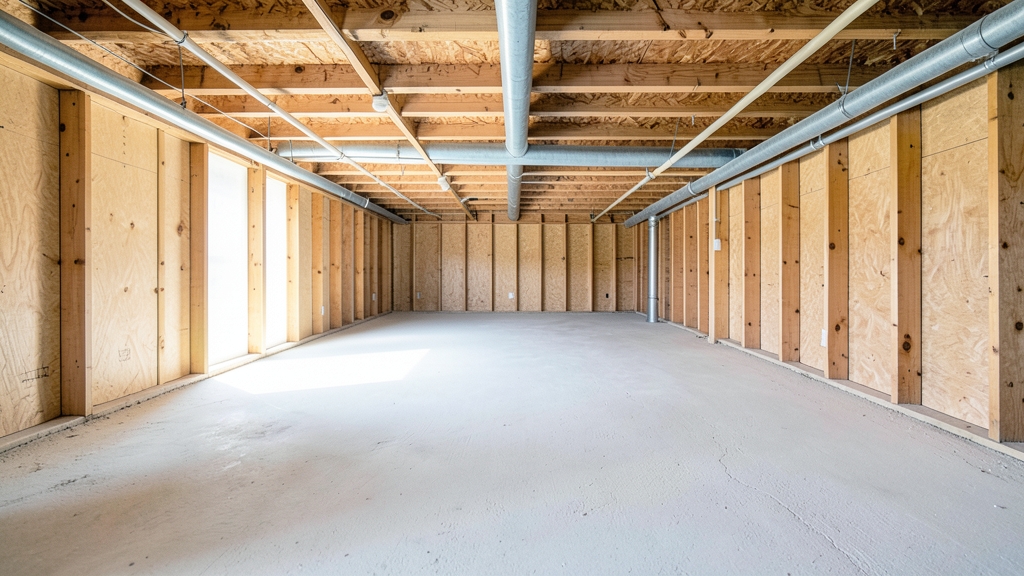
Crawl spaces in our region’s warm, humid climate are prime breeding grounds for mold. Left unchecked, spores spread upward into living areas, compromising air quality and structural integrity. We’ll break down the remediation process, what drives costs, and how to keep mold from returning.
Why Crawl Space Mold Is a Unique Problem in Our Area
Canyon Lake’s Mediterranean climate means hot, dry summers followed by damp winters—ideal for mold when moisture gets trapped under your home. Poor ventilation and ground water seepage after rains worsen the issue, especially in older neighborhoods near the lake.
Unlike attic mold, crawl space colonies thrive in darkness with constant humidity. They often go undetected until musty odors or allergy symptoms appear upstairs. Spores can also accelerate wood rot in joists and subflooring, leading to costly structural repairs.
Mold can destroy subfloor insulation and weaken structural wood long before it’s visible. Early detection via professional inspection saves thousands in repairs.
Signs You Need Crawl Space Mold Remediation
Musty odors are the most common red flag. If you notice a damp, earthy smell in your home—especially after running the HVAC—it’s often a sign of mold below.
Other indicators include increased allergy or asthma symptoms, warped or discolored flooring, and visible dark stains on joists or vapor barriers during a crawl space inspection.
High humidity levels (above 60%) in the crawl space are a breeding ground. We often see this in homes without proper vapor barriers or dehumidification in Lake Elsinore and Murrieta as well.
The Crawl Space Mold Remediation Process We Use
First, we contain the area with heavy-duty plastic sheeting to prevent spores from spreading during cleanup. Negative air pressure systems ensure airborne contaminants are captured, not dispersed.
Next, we remove all contaminated materials—insulation, vapor barriers, or damaged wood—using HEPA-filtered vacuums and antimicrobial treatments to kill remaining spores. This step is critical; skipping it risks recurrence.
After remediation, we address the root cause: moisture. This may involve installing a vapor barrier, improving drainage with a French drain, or adding a dehumidifier. Without this, mold will return within months.
What Drives Crawl Space Mold Remediation Costs
Costs vary based on the square footage of the crawl space, the severity of the infestation, and the type of mold present. Black mold (Stachybotrys) often requires more aggressive treatment than common species like Aspergillus.
Accessibility plays a role. Tight or low-clearance crawl spaces in older Canyon Lake or Wildomar homes may require additional labor or specialized equipment. The need for structural repairs or insulation replacement also adds to the total.
Preventive measures—vapor barriers, sump pumps, or dehumidifiers—are often recommended post-remediation. While they increase upfront costs, they significantly reduce the risk of future outbreaks.
| Factor | Impact on Cost | Why It Matters |
|---|---|---|
| Crawl space size | Higher for larger areas | More square footage = more labor/materials |
| Mold severity | Higher for advanced infestations | Deep penetration requires more treatment |
| Type of mold | Higher for toxic strains | Black mold needs specialized handling |
| Accessibility | Higher for tight/low spaces | Extra labor for confined entry |
| Moisture source | Higher if unresolved | Drainage or vapor barrier fixes add cost |
| Structural damage | Higher if repairs needed | Replacing wood or insulation increases scope |
Crawl Space Mold vs. Attic or Basement Mold: Key Differences
Crawl space mold is often more aggressive due to constant humidity and poor airflow. Attic mold, by contrast, usually stems from roof leaks or condensation and is easier to isolate.
Basement mold, common in homes near Lake Elsinore, behaves similarly to crawl space mold but is often caught earlier because basements are more frequently accessed. Crawl spaces, however, can hide problems for years.
Remediation techniques differ too. Crawl spaces often require full encapsulation, while attics may only need localized treatment and improved ventilation.
Preventing Mold Recurrence After Remediation
The key is controlling moisture. Installing a 10-20 mil vapor barrier over the crawl space floor blocks ground moisture. Sealing foundation vents and adding a dehumidifier maintains humidity below 50%.
Improving drainage is critical in our clay-heavy soil. French drains or sump pumps redirect water away from the foundation, especially important in low-lying areas like Sun City or Menifee.
Regular inspections are your best defense. We recommend annual checks, particularly after heavy rains or if you notice musty odors. Thermal imaging can spot hidden moisture before mold takes hold.
Post-Remediation Prevention Checklist
- Install a high-quality vapor barrier
- Add a crawl space dehumidifier (set to 45-50% RH)
- Seal foundation vents or install a ventilation system
- Improve exterior grading and drainage
- Schedule annual mold and moisture inspections
- Address plumbing leaks or water intrusion immediately
When to Call a Professional vs. DIY Approaches
DIY mold cleanup is risky in crawl spaces. Disturbing mold without containment can spread spores throughout your home. Plus, without addressing the moisture source, mold will return.
Professionals bring HEPA filtration, antimicrobial treatments, and moisture control expertise. We also have the tools—boroscopes, moisture meters, thermal cameras—to find hidden problems you might miss.
For small, surface-level mold in easily accessible areas, some homeowners opt for DIY. But for anything beyond a minor issue, or if you’re unsure of the extent, a professional assessment is the safest choice.
Over-the-counter mold sprays only kill surface spores. They don’t address the root moisture issue or spores embedded in wood or insulation.
How to Inspect Your Crawl Space for Mold
A thorough inspection helps catch mold early before it spreads.
- 1Gather protective gear
Wear an N95 respirator, gloves, and eye protection. Mold spores can be harmful if inhaled or touched.
- 2Access the crawl space safely
Use a sturdy flashlight and enter carefully. Watch for low clearance, sharp objects, or unstable flooring.
- 3Look for visual signs
Check for dark stains, fuzzy growth, or discoloration on joists, insulation, or vapor barriers. Pay attention to corners and areas near vents.
- 4Use a moisture meter
Test wood and insulation for high moisture levels (above 20% for wood is a red flag). High humidity readings (over 60%) also indicate risk.
- 5Note musty odors
Even if you don’t see mold, a persistent earthy smell is a strong indicator. Take photos and note locations for a professional assessment.
- 6Check for water intrusion
Look for standing water, damp spots, or signs of past flooding. These are often the root cause of mold growth.
Frequently Asked Questions
How long does crawl space mold remediation take in Canyon Lake?
Most projects take 1-3 days, depending on the size of the crawl space and severity of the mold. Larger or more complex jobs—especially those requiring structural repairs—may take longer. We provide a timeline after the initial inspection.
Is crawl space mold dangerous to my health?
Yes, especially for those with allergies, asthma, or compromised immune systems. Mold spores can cause respiratory issues, skin irritation, and other health problems. Toxic black mold (Stachybotrys) poses even greater risks and should be handled by professionals.
Can I just replace the vapor barrier to fix mold?
Replacing a damaged vapor barrier is a good start, but it won’t solve the problem if mold is already present. Remediation must include cleaning, treating affected areas, and addressing the moisture source. A new barrier alone won’t kill existing spores.
Do you serve areas near Canyon Lake, like Wildomar or Murrieta?
Yes, we provide crawl space mold remediation and related services throughout the region, including Lake Elsinore, Menifee, Wildomar, Sun City, and Murrieta. Local climate and soil conditions are similar, so the same prevention strategies apply.
What’s the difference between mold testing and mold inspection?
A mold inspection is a visual and technical assessment to identify mold and moisture issues. Mold testing involves collecting air or surface samples to determine the type and concentration of mold spores. We often recommend both for a comprehensive understanding of the problem.
Will my homeowners insurance cover crawl space mold remediation?
Coverage varies by policy. Most standard policies cover mold remediation only if it’s the result of a covered peril, like a burst pipe. Mold due to neglect or long-term moisture issues is typically excluded. We recommend checking with your insurer and can provide documentation to support your claim.