Mold Inspection
Mold inspection in Canyon Lake, CA — a visual and moisture-meter assessment that finds the source of growth, not just the visible spot on the wall.
In Canyon Lake, CA, professional mold inspection identifies hidden growth, moisture sources, and spread behind walls or under floors. The area’s persistent marine layer and coastal Mediterranean climate elevate indoor humidity year-round, making condensation in bathrooms, crawl spaces, and around HVAC lines a primary risk—often without visible leaks or storms.
Why Canyon Lake Homes Need Mold Inspections
Canyon Lake’s mild climate and marine layer create ideal conditions for mold growth, even without rain or flooding. Steady humidity condenses in poorly ventilated areas like bathrooms, crawl spaces, and around AC lines, feeding mold over time.
We also handle Crawl Space & Basement Mold Remediation and Attic Mold Remediation for Canyon Lake properties.
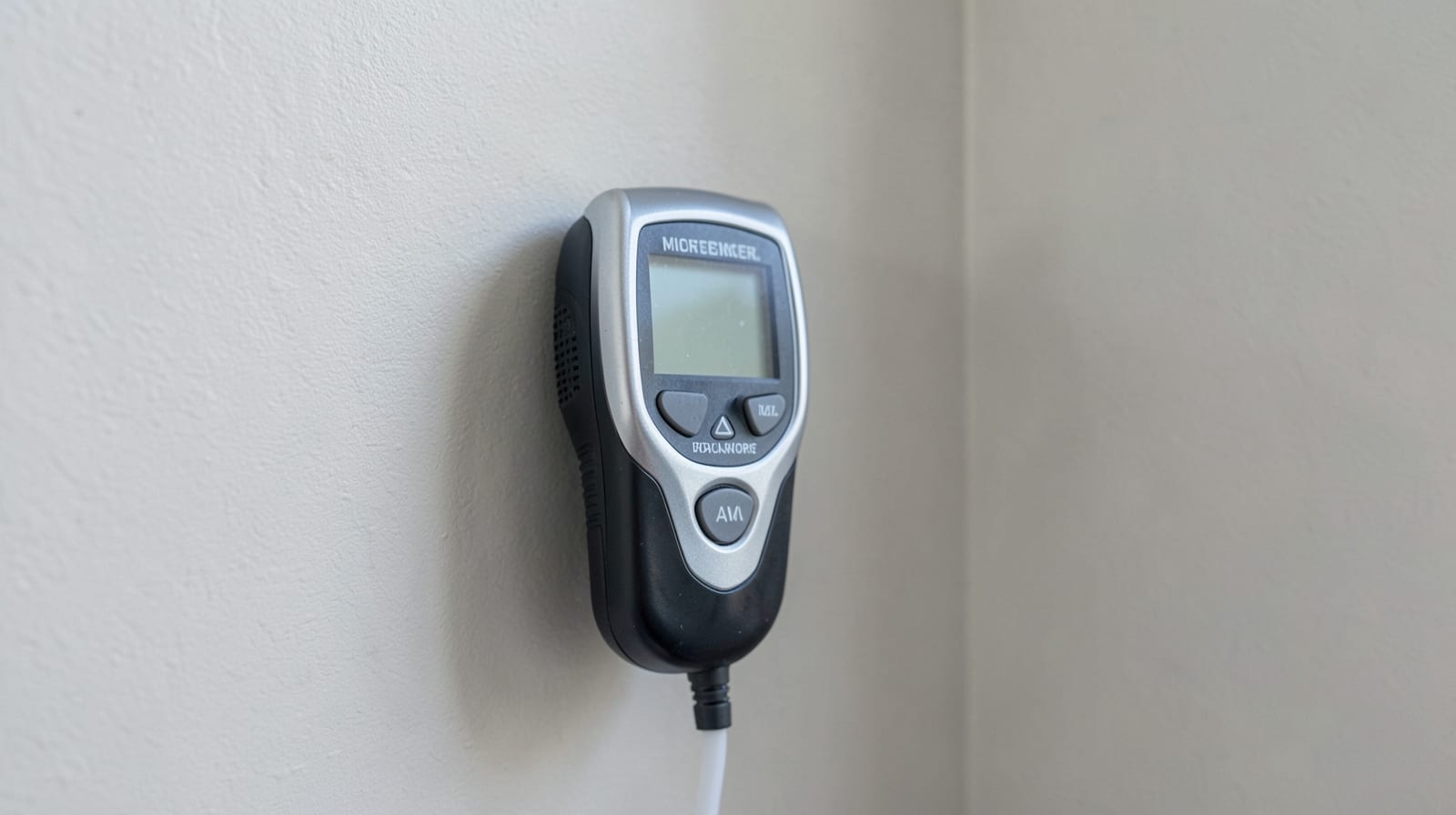
A thorough inspection goes beyond surface checks. Using moisture meters, inspectors detect elevated levels behind walls or under flooring before mold becomes visible, catching problems early when they’re easier and less costly to address.
Signs You Need a Mold Inspection in Canyon Lake
- Persistent musty odor with no visible source
- Recent water leak, plumbing issue, or flooding
- Discoloration, staining, or dark spots on walls, ceilings, or flooring
- Recurring condensation on windows, AC lines, or pipes
What a Professional Mold Inspection Covers
An inspector conducts a visual walkthrough of your home, focusing on high-risk areas like bathrooms, basements, crawl spaces, and HVAC systems, looking for visible mold, water stains, or signs of moisture intrusion.
Moisture meters are used to measure humidity levels in walls, floors, and framing. These readings reveal hidden moisture—often the root cause of mold—long before it becomes visible.
| Area Inspected | What’s Checked |
|---|---|
| Bathrooms | Ventilation, caulking, plumbing, and moisture levels in walls/floors |
| Crawl Spaces | Vapor barriers, ventilation, and moisture in framing or subflooring |
| HVAC Systems | Ductwork, drip pans, and condensation lines for leaks or moisture buildup |
| Attics | Roof leaks, insulation, and ventilation for trapped humidity |
Pricing and Next Steps
Mold inspection costs in Canyon Lake vary based on home size and the number of areas requiring detailed checks. Larger homes, multiple floors, or properties with crawl spaces or basements may require additional time and tools.
After the inspection, you’ll receive a detailed report outlining findings, moisture readings, and recommendations for remediation or prevention. Contact us for a firm quote tailored to your property.
How Mold Inspection Works in Canyon Lake
A professional inspection follows a structured process to identify hidden mold and moisture issues.
- 1Visual Walkthrough
The inspector examines your home’s interior and exterior, focusing on high-risk areas like bathrooms, basements, crawl spaces, and HVAC systems for visible mold, water stains, or moisture signs.
- 2Moisture Meter Testing
Using specialized meters, the inspector checks walls, floors, and framing for elevated moisture levels, even in areas where mold isn’t yet visible.
- 3High-Risk Area Inspection
Critical zones like crawl spaces, attics, and around plumbing or AC lines are thoroughly checked for condensation, leaks, or poor ventilation.
- 4Report and Recommendations
You’ll receive a detailed report with findings, moisture readings, and actionable steps for remediation or prevention.
Frequently Asked Questions
How does Canyon Lake’s climate affect mold risk?
The area’s persistent marine layer keeps ambient humidity elevated for months, leading to condensation in poorly ventilated spaces like bathrooms and crawl spaces. This makes mold growth more likely even without leaks or storms.
Can mold grow without visible water damage?
Yes. In Canyon Lake, mold often thrives from condensation caused by high humidity, not just leaks. A moisture meter can detect hidden moisture before mold becomes visible.
How often should I schedule a mold inspection?
If you notice musty odors, visible stains, or recurring condensation, schedule an inspection immediately. Otherwise, consider a professional inspection every 2-3 years, especially if your home has a history of moisture issues.
What happens if mold is found during the inspection?
The inspector will provide a detailed report with the location, extent, and likely cause of the mold. They’ll also recommend remediation steps, which may include moisture control, repairs, or professional mold removal.
See San Jacinto, CA for more, or see the mold remediation work we do around Canyon Lake by service type for our complete lineup.
Ready to get started?
Talk to a local mold remediation pro in Canyon Lake — get a written quote.
Other Mold Remediation Services in Canyon Lake
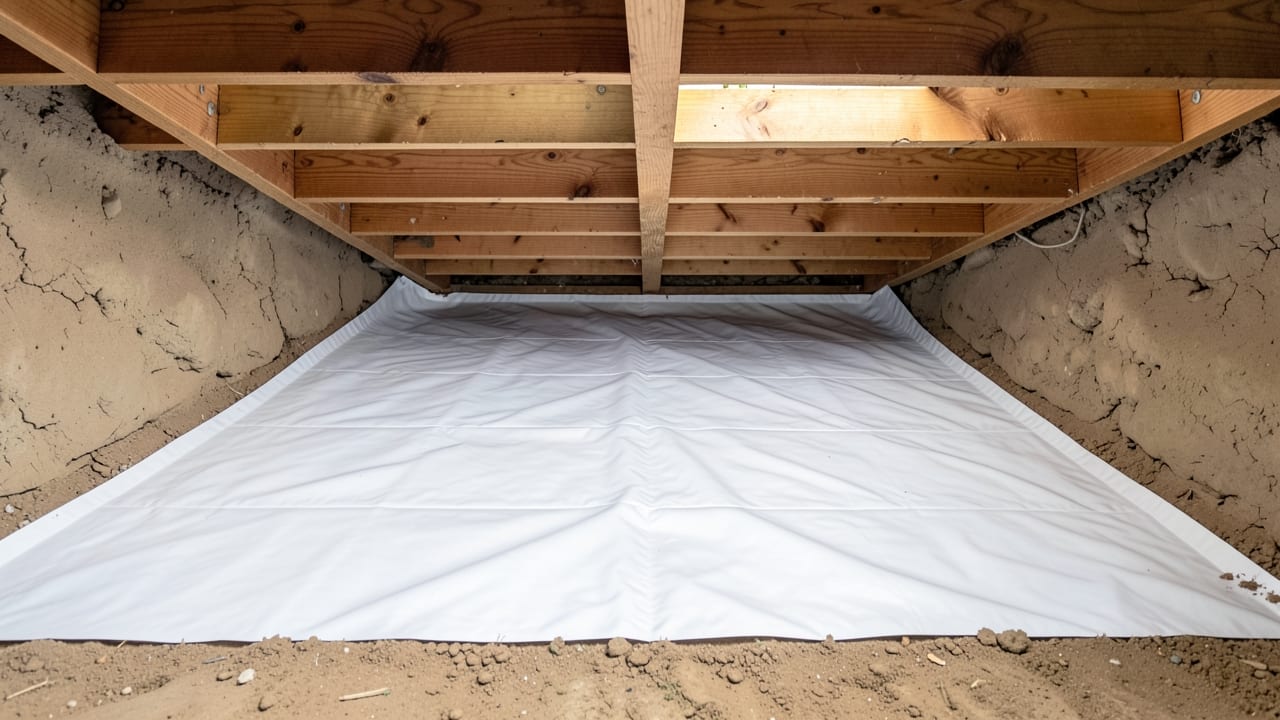
Crawl Space & Basement Mold Remediation in Canyon Lake, CA
Crawl space and basement mold remediation in Canyon Lake, CA addresses the two areas of a property most prone to trapped, unnoticed moisture.
Learn More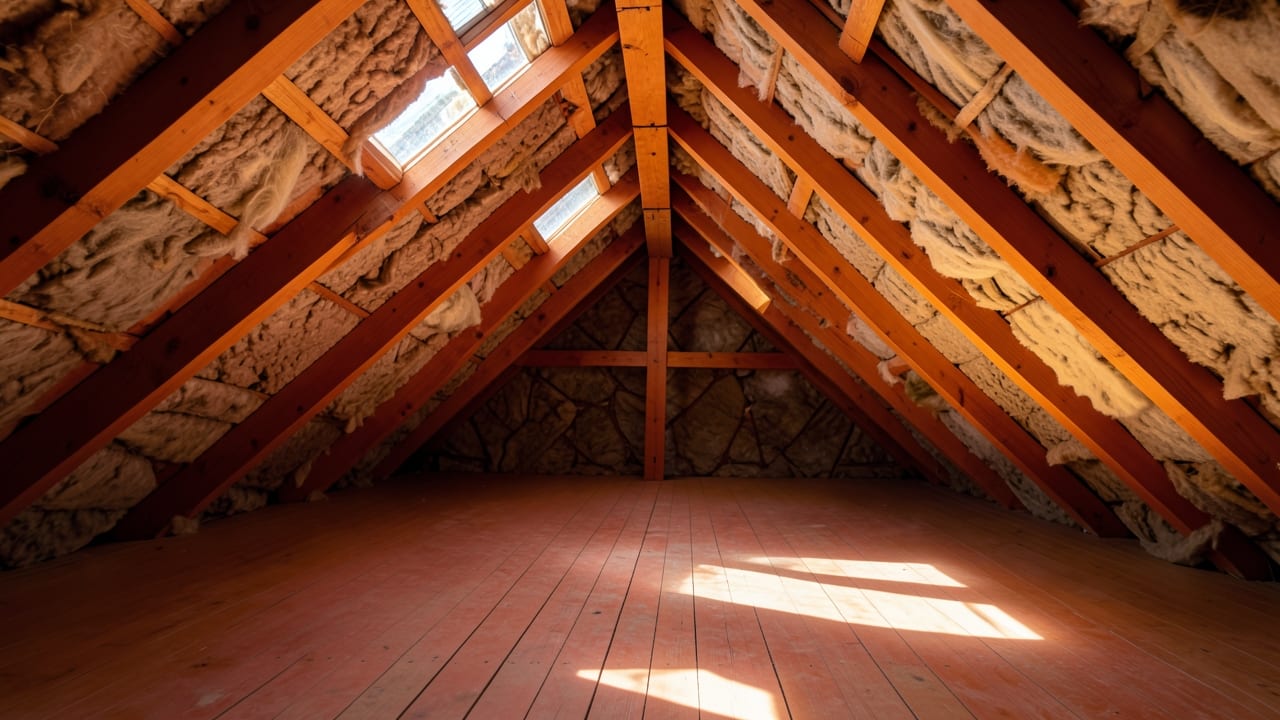
Attic Mold Remediation in Canyon Lake, CA
Attic mold remediation in Canyon Lake, CA addresses roof-deck growth typically caused by poor ventilation or a hidden roof leak.
Learn More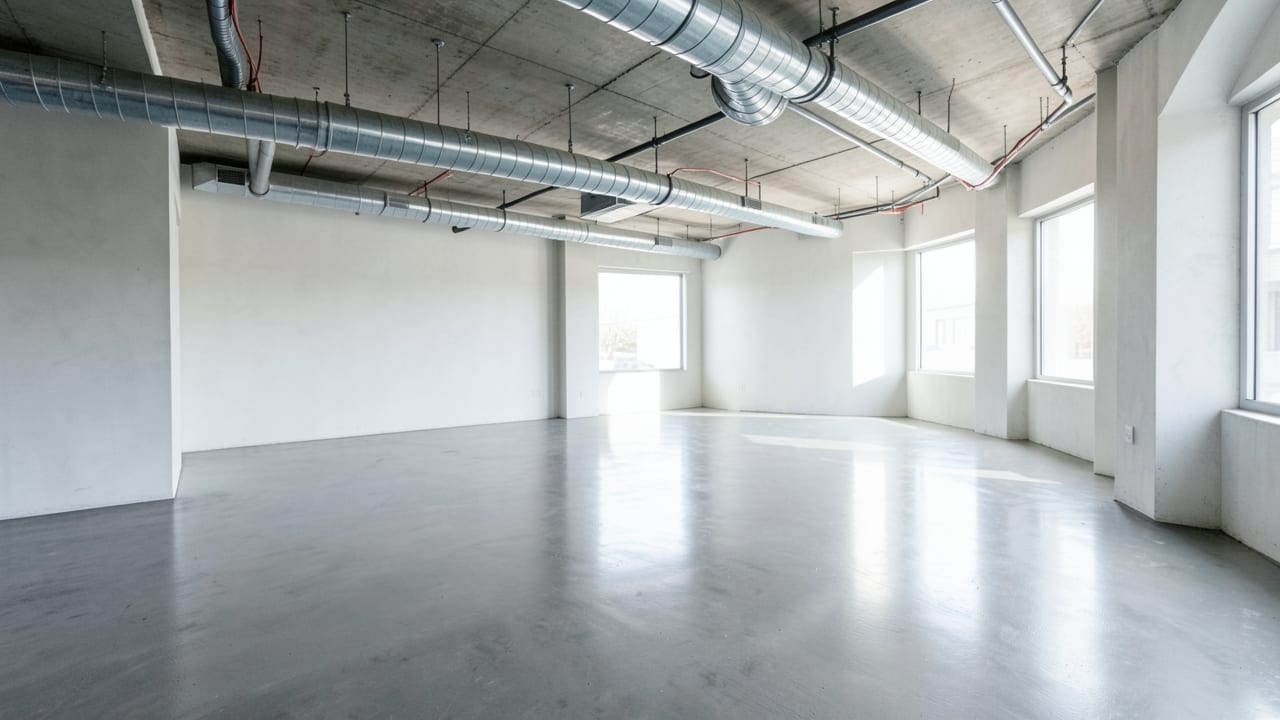
Commercial Mold Remediation in Canyon Lake, CA
Commercial mold inspection and remediation in Canyon Lake, CA for offices, retail space, and multi-unit properties, scheduled around business operations.
Learn More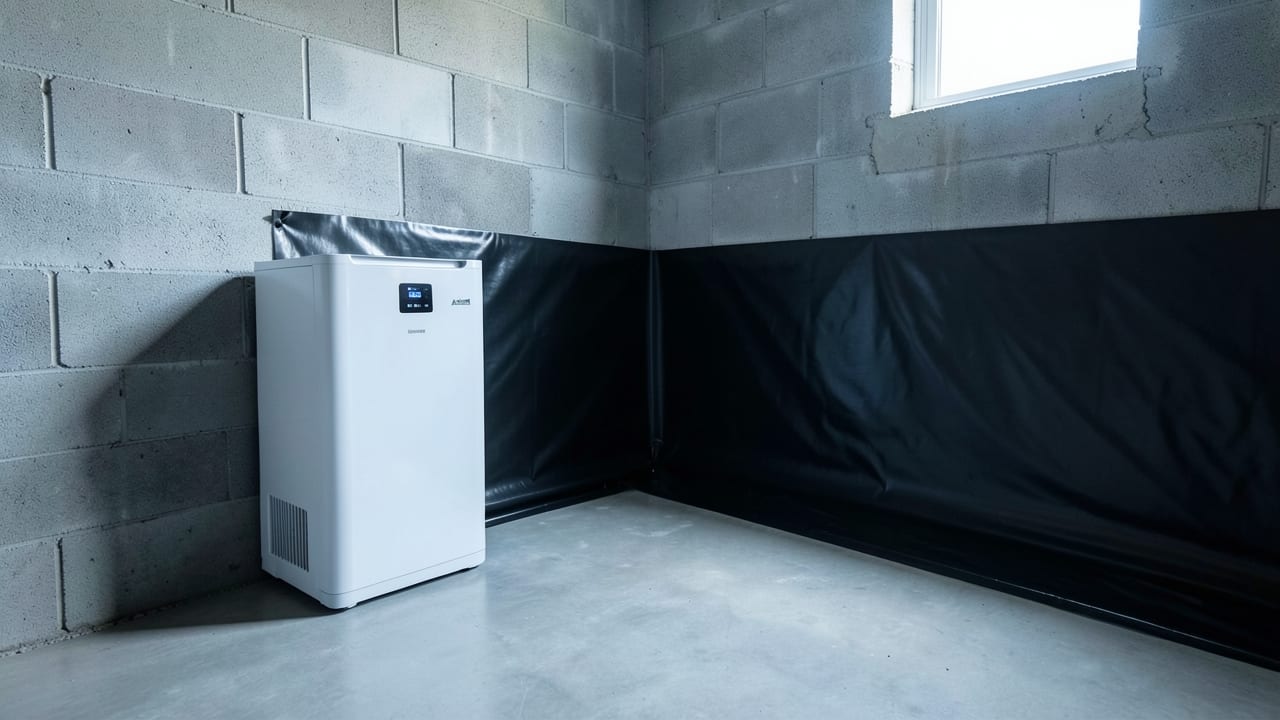
Mold Prevention & Moisture Control in Canyon Lake, CA
Mold prevention and moisture control in Canyon Lake, CA — addressing ventilation, humidity, and drainage before growth starts, not after.
Learn More
Mold & Asbestos Testing in Canyon Lake, CA
Combined mold and asbestos testing in Canyon Lake, CA — one inspection visit, lab-verified results for both.
Learn More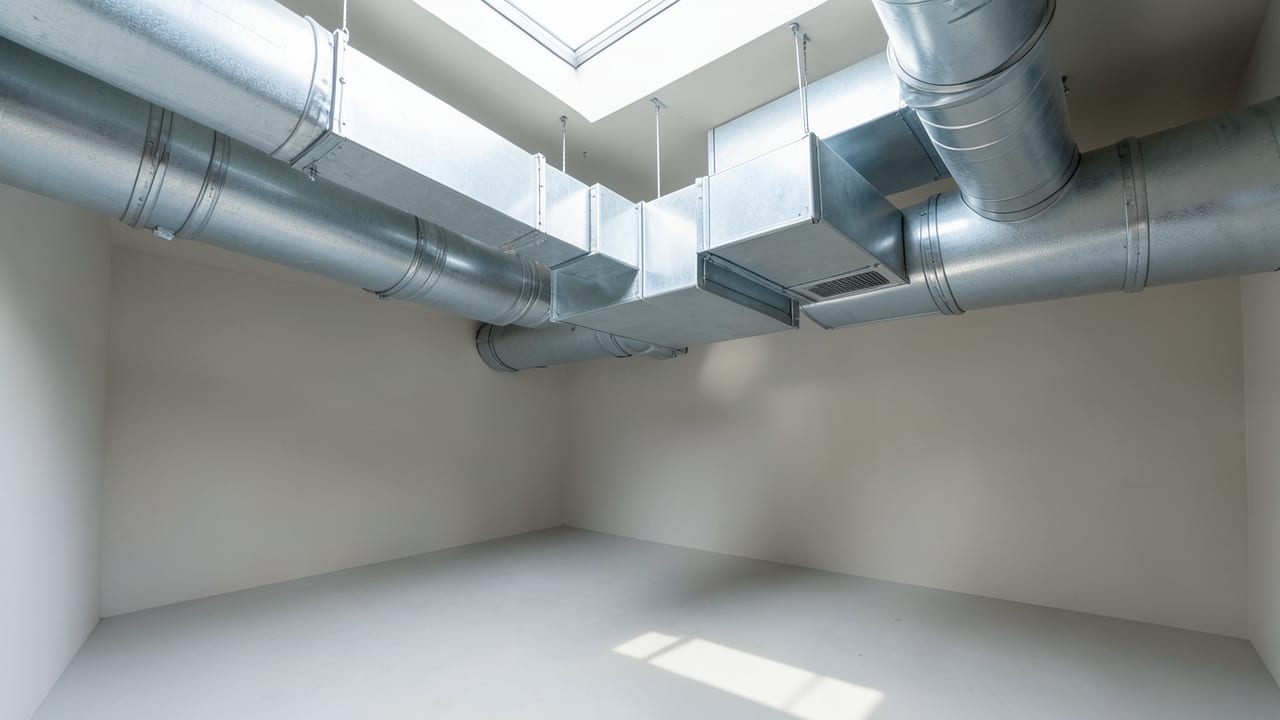
HVAC Mold Remediation in Canyon Lake, CA
HVAC and ductwork mold remediation in Canyon Lake, CA — mold growing inside the air handler or duct system, spreading through every vent.
Learn MoreCommon Questions About Mold Remediation in Canyon Lake
Everything you need to know about mold remediation services in Canyon Lake
How much does Mold Inspection typically cost in Canyon Lake, CA?
Does coastal humidity around Canyon Lake, CA change how mold risk is assessed?
How long does a typical mold remediation job take?
Is it safe to stay in the home during mold remediation?
Can small mold problems be handled without hiring anyone?
What's the actual difference between mold removal and mold remediation?
Need Mold Remediation in Canyon Lake?
Connect with local providers in Canyon Lake for a detailed quote.
⏰ We answer your call • Serving all of Canyon Lake and surrounding areas